

-
Home
-
For Patients
-
BCI Technology
-
News
-
About Us
Home
For Patients
BCI Technology
News
About Us


Retinitis Pigmentosa
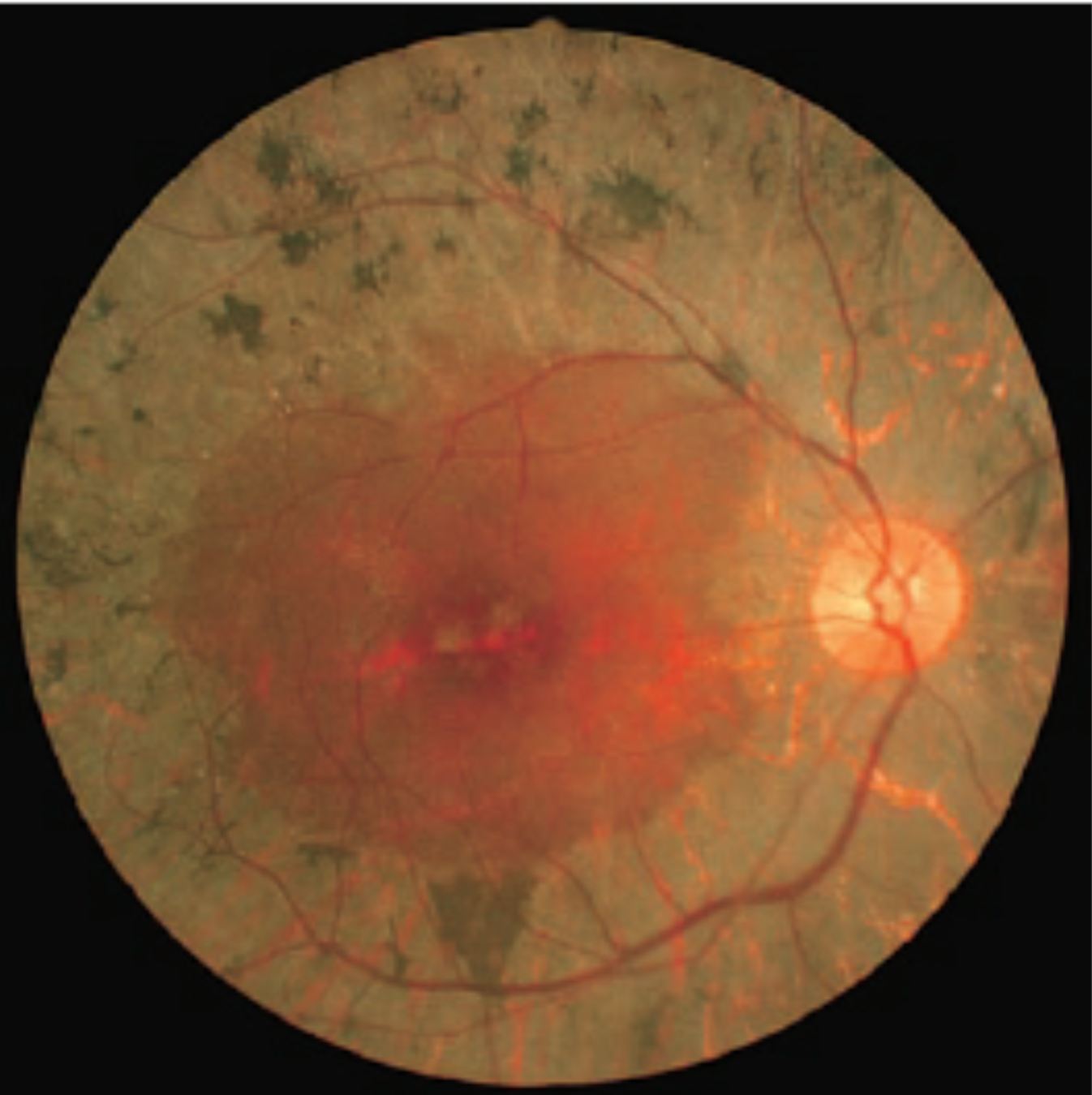
Retinitis pigmentosa (RP) is a group of rare eye diseases that affect the retina (the light-sensitive layer of tissue in the back of the eye). RP makes cells in the retina break down slowly over time, causing vision loss.
RP is a genetic disease that people are born with. Symptoms usually start in childhood, and most people eventually lose most of their sight.
There’s no cure for RP. But vision aids and rehabilitation (training) programs can help people with RP make the most of their vision.

Age-Related Macular Degeneration
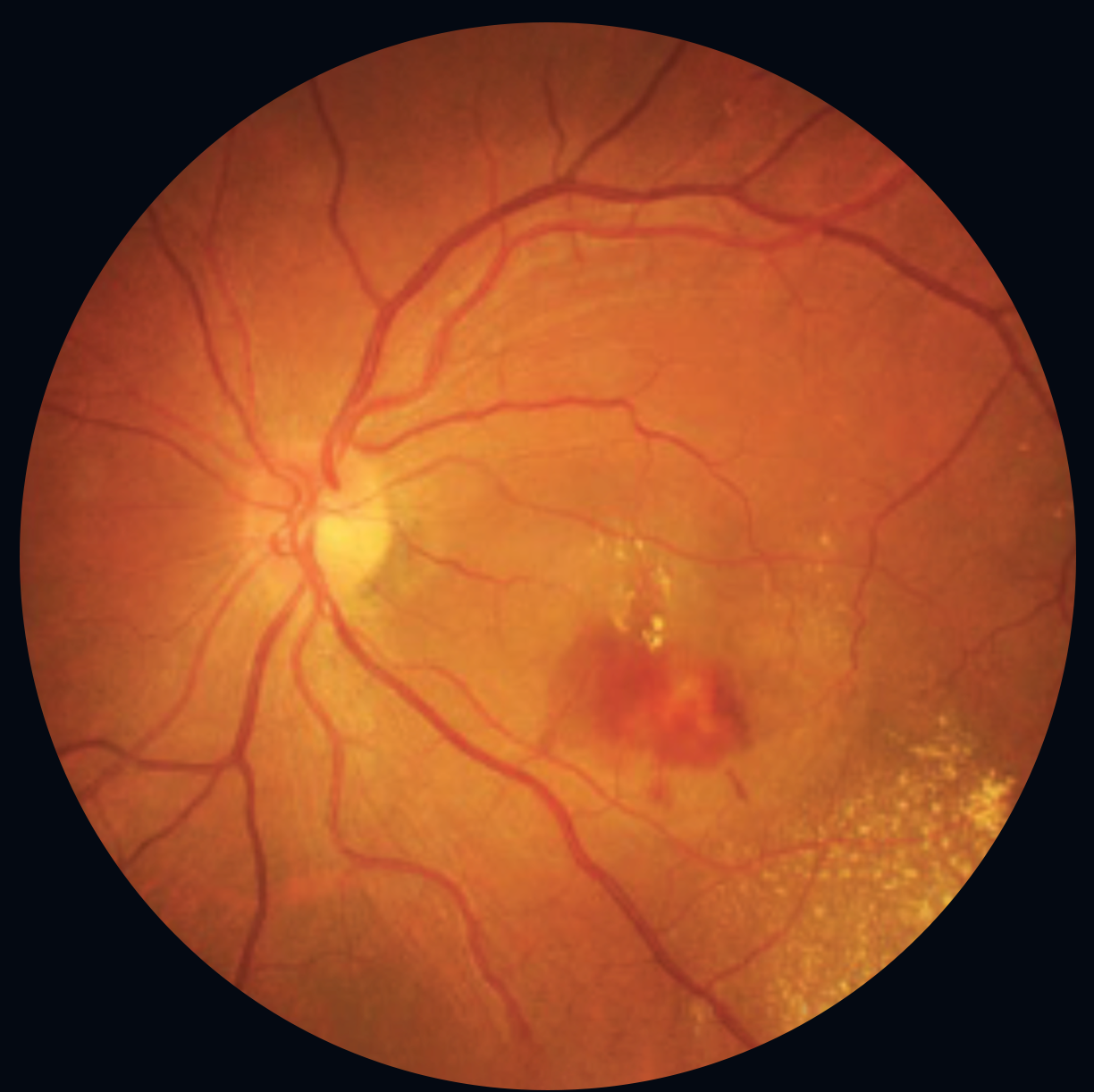
Age-related macular degeneration (AMD) is an eye disease that can blur the central vision. It happens when aging causes damage to the macula — the part of the eye that controls sharp, straight-ahead vision. The macula is part of the retina (the light-sensitive tissue at the back of the eye).
There are 2 types of AMD: dry and wet.
- Most people with AMD have dry AMD (also called atrophic AMD). This is when the macula gets thinner with age. Dry AMD happens in 3 stages: early, intermediate, and late.
- Wet AMD (also called advanced neovascular AMD), is a less common type of late AMD that usually causes faster vision loss. Any stage of dry AMD can turn into wet AMD — but wet AMD is always late stage.
Source: National Eye Institute (NEI)

Our Treatment
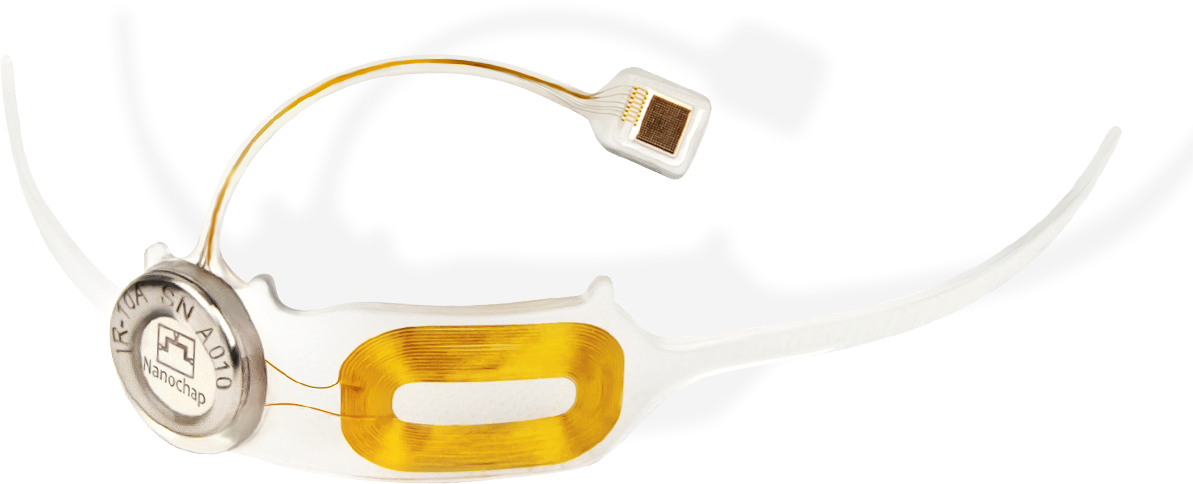
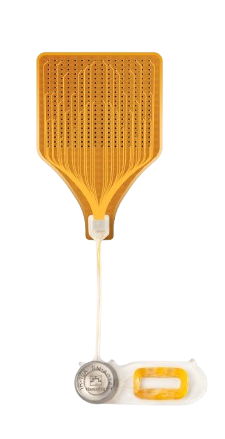
For patients who have experienced photoreceptor damage and loss of visual function due to retinal degenerative diseases, such as RP and AMD, the procedure uses a minimally invasive ophthalmic implantation technique to implant the E-BCI in the retina. Designed to interface with the natural visual pathway, E-BCI converts external visual information into neural electrical signals and transmits them through the optic nerve pathway to the visual cortex, thereby reconstructing artificial visual perception and helping patients regain functional vision.
E-BCI consists of an Implant Device and a Wearable Kit. The Wearable Kit captures images from the surrounding environment using a miniature camera and converts the captured visual information into electrical signals. These signals are then processed using neural encoding algorithms and wirelessly transmitted to the Implant Device. The high-density electrode array within the Implant Device delivers electrical stimulation to the retina based on the encoded information, generating neural signals that mimic natural visual signaling. These signals are then transmitted along the visual pathway to the visual cortex, thereby reconstructing artificial visual perception.
In clinical trials, E-BCI has enabled the first participant to regain visual perceptual function shortly after surgery and progressively perform visual tasks such as letter recognition and pattern identification. Following visual rehabilitation training, the participant has been able to write letters while referencing a screen, as well as perform functional visual tasks including writing Chinese characters, grasping objects, and walking independently.
More

Patient Recruitment
Address: 6th Floor, Building C, Betta Dream Works, 188 Lianchuang Street, Yuhang District, Hangzhou, China
Tel: +86 400-860-5922
Email: sales@nanochap.com
© 2026 Nanochap Electronics Co., Ltd. All rights reserved Zhejiang ICP Preparation No. 16018040
Designed by:yushangweb